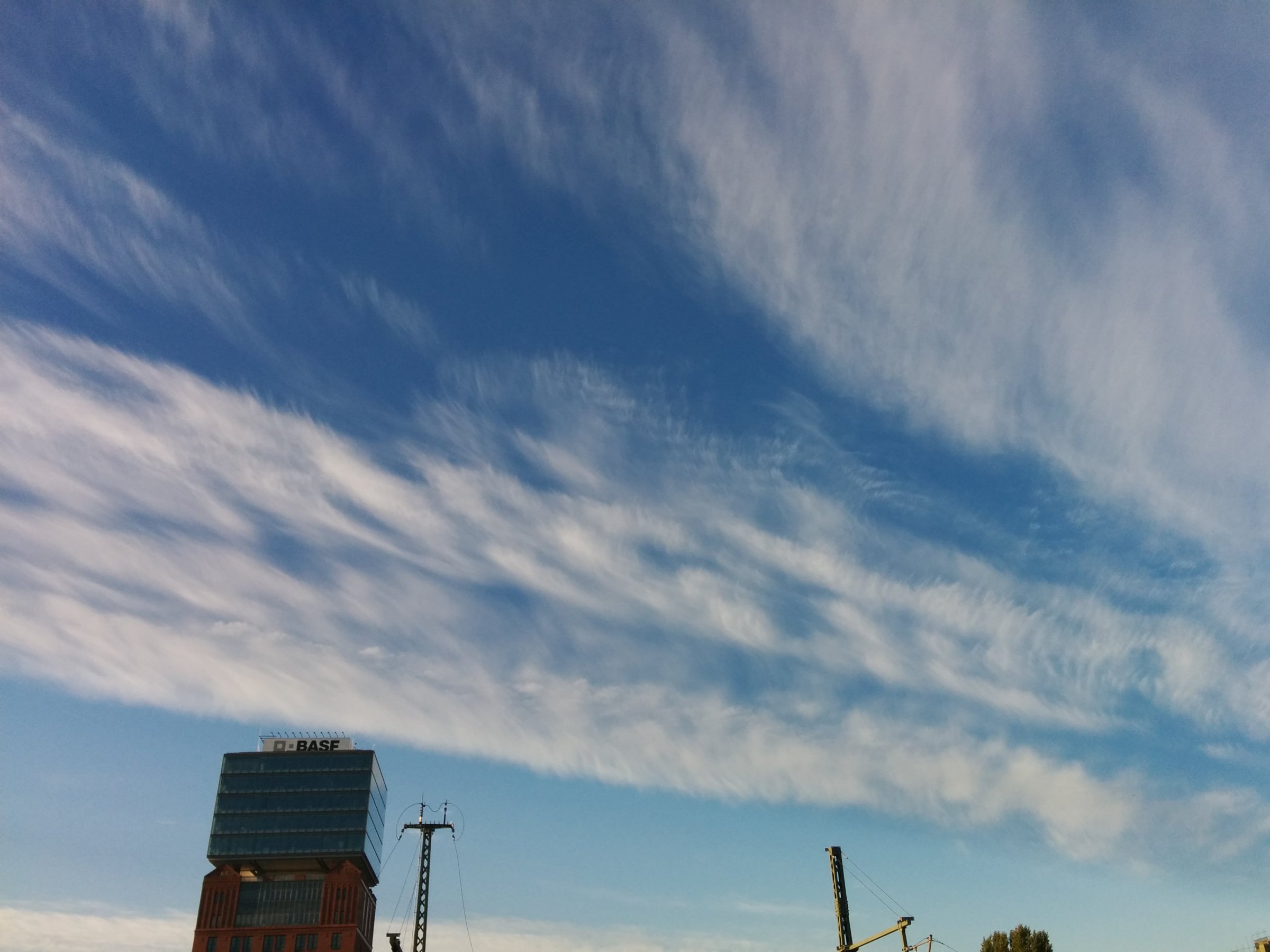
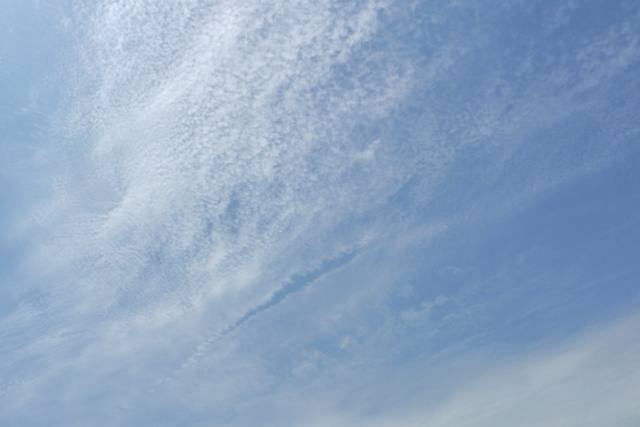
Cirrus fibratus radiatus Ci fib ra
Genus Cirrus, Species fibratus, Variety radiatus
- Photo
- Stefan Bauer
- Location
- Berlin, Germany · on the map
- Taken
- 1 October 2015, 08:16
Several broad cirrus bands stretch obliquely across the sky. Notably, their edges fan out into fine, curved fibres, which in places run perpendicular to the longitudinal direction of the bands. This fibrous appearance is typical of Cirrus fibratus. The long bands appear to converge to the right. This perspective arrangement is referred to as radiatus.
The weather that day
Does the weather fit the cloud?
Cirrus ✓ observed Observer at Berlin-Dahlem (FU) · 11 km · 9:00 Reanalysis: quite possible Why?
- Observation: An observer at the Berlin-Dahlem (FU) station (11 km, 9:00) reports Cirrus.
- Reanalysis (8:00), quite possible: High cloud 88 %. High ice clouds, not closed: cirrus.
Formation: Ice cloud at great height (usually above 6 km, below about −35 °C). Forms when moist air is lifted high up, or as left-over ice from convective clouds and contrails; falling crystals make the fibres.
How is this rated?
Observation before model: what an observer at a weather station reported counts for more than an estimate from a station’s instruments and more than the weather model. Each piece of information counts for less the farther away the station and the further from the time of the photo; the strongest comes first. The ERA5 reanalysis (grid point at the photo location, about 25 km grid spacing) only knows the cover per étage and values at the ground – its level is a rough estimate.
The sky through the day
Photo Cirrus fibratus radiatus · 8:00
6:00
8:00 · hour of the photo
9:00
12:00
15:00
18:00
21:00
- ✓observed
- estimated: ●●● likely ●●○ quite possible ●○○ possible
- Photoalso in the photo
How to read the day
- Times – click to see the sky at that hour. Below them the codes of the reported genera, grey = estimated only.
- clear = observer reports no clouds · none meas. = instrument detected none · ? = no data · – = partly hidden or without data (details on hover).
- ✓ = reported by a weather station, dots = estimated from height and cover (automatic measurement) or from the weather model. The bar next to the étage shows the cover.
- The stations see their own sky – not necessarily the cloud in the photo.
Large-scale weather pattern
Anticyclonic bridge across central Europe BMa
A ridge of high pressure links the Azores high with a high over eastern Europe. Similar to “High over central Europe”: fair-weather cumulus in summer, persistent fog and low stratus in winter.
Typical clouds in this pattern: Cumulus Stratus Stratocumulus Cirrus Photo
The weather pattern describes the flow over central Europe on that day – locally, the sky may have looked different.
Weather station measurements at the time of the photo
Measured at the nearest weather stations, not where the photo was taken – conditions there may have differed.
- Temperature
- 4.0 °C · Dew point 2.4 °C
- Berlin-Tempelhof · 6 km S
- Humidity
- 89 %
- Berlin-Tempelhof · 6 km S
- Wind
- from the east, 4 km/h (Beaufort 1)
- Berlin-Tempelhof · 6 km S
- Precipitation
- none measured – incomplete record (22 of 24 hours)
- Berlin-Tempelhof · 6 km S
- Sun in the hour of the photo
- 150 W/m² global radiation · 52 of 60 min sunshine
- Potsdam · 29 km SW
Between 19:00 and 21:00 the temperature dropped by 5.6 °C.
Sources: observations and measurements from Deutscher Wetterdienst, the German weather service (CC BY 4.0), Berlin-Tempelhof (6 km S), Potsdam (29 km SW); weather pattern after Hess/Brezowsky from the DWD catalogue GWL-REA; ERA5 reanalysis by Copernicus/ECMWF (CC BY 4.0) via Open-Meteo. Times in local time.
Similar photos
-
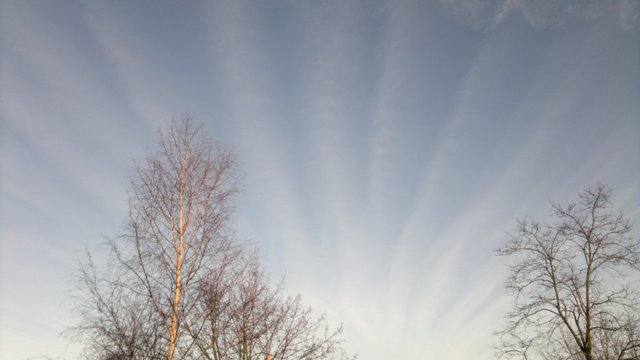 Cirrus radiatus Hucknall 2012
-
 Cirrus radiatus Amsterdam 2007
-
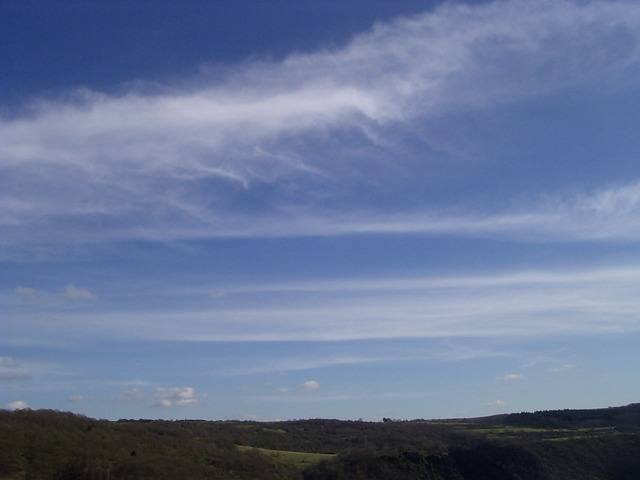 Cirrus radiatus St. Goarshausen 2007
-
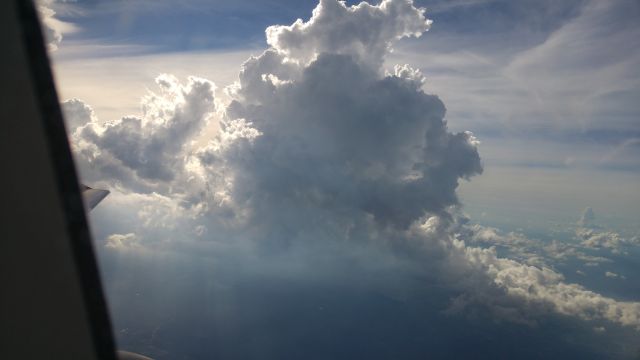 Cumulus congestus +2 São Paulo 2016
-
 Cirrus fibratus Hankerton 2012
-
 Cirrocumulus mammatus, Cirrostratus fibratus, Cirrus fibratus Störmthaler Lake 2012
-
 Cirrus spissatus Darmstadt 2012
-
 Cirrocumulus floccus lacunosus +2 Darmstadt 2012
Write a comment or ask a question about this photo
Every comment is read before it is published. Your email address is only needed for the confirmation link and a short message once the comment is online; it is deleted after that.