Easily confused
Some clouds look confusingly alike. Here they stand side by side – with a rule of thumb, example photos and the key differences.
-
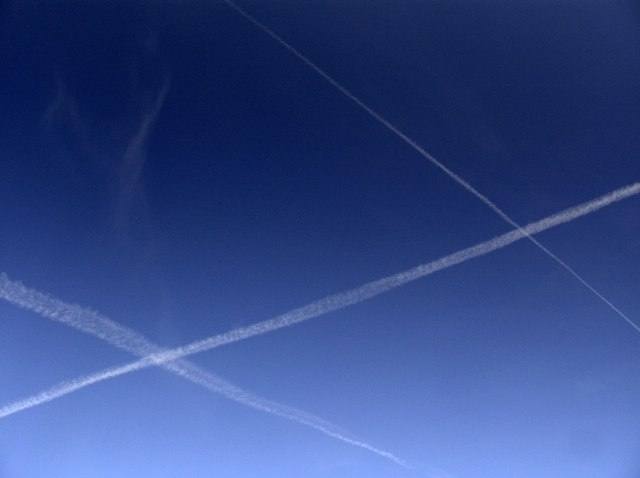
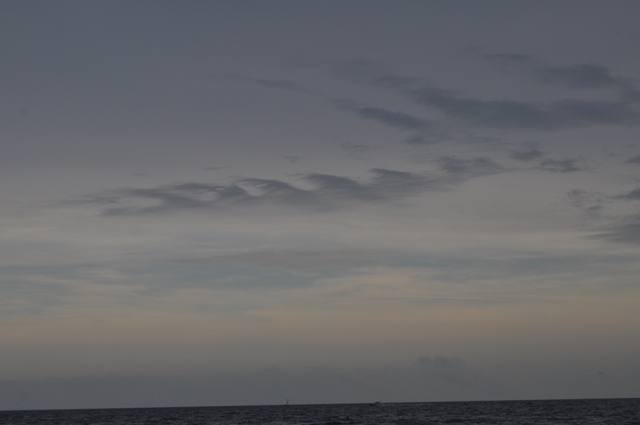
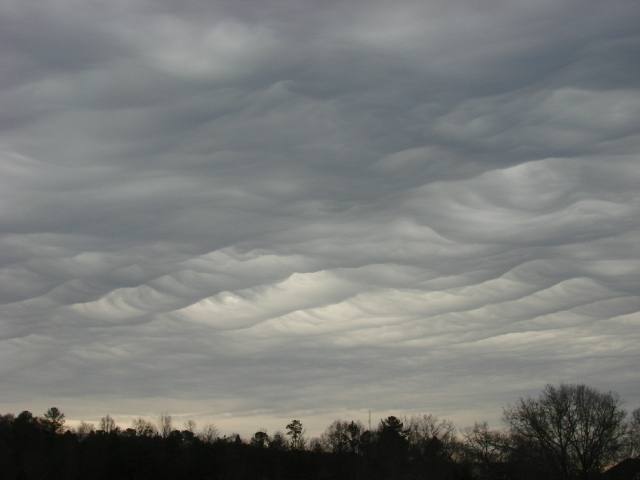 Cirrocumulus · Altocumulus · Stratocumulus
Mackerel sky: cirrocumulus, altocumulus or stratocumulus?
Stretch out your arm: elements narrower than your little finger are cirrocumulus, one to three fingers wide altocumulus, wider stratocumulus.
-
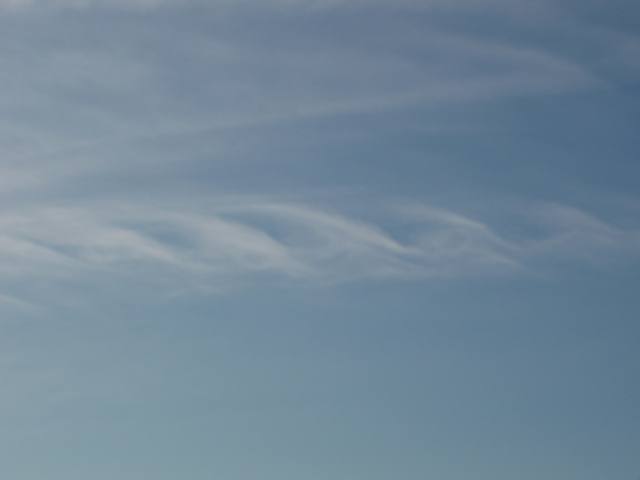
 Cirrus · Cirrostratus
Fibres or veil: cirrus or cirrostratus?
Separate fibres with blue sky in between are cirrus; a continuous, milky veil is cirrostratus.
-

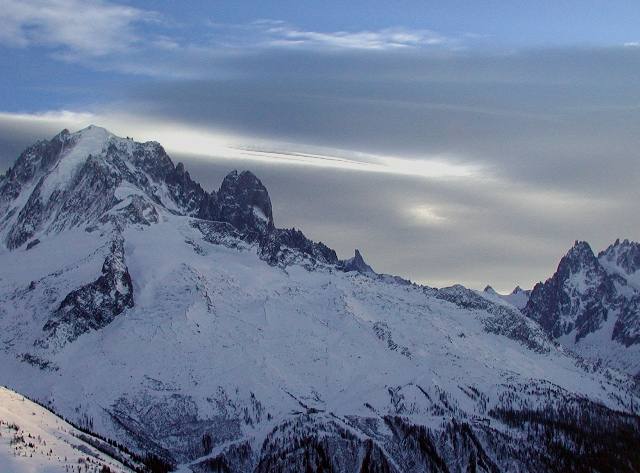 Cirrostratus · Altostratus
Veil or layer: cirrostratus or altostratus?
If the sun stays sharp, objects cast shadows or a halo appears, it is cirrostratus.
-
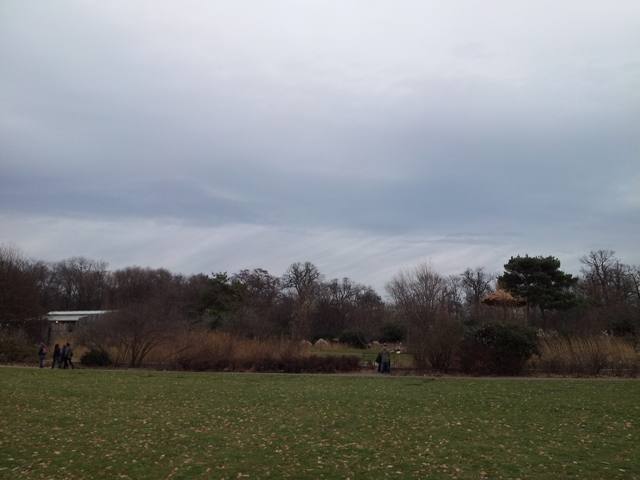
 Altostratus · Nimbostratus
Grey blanket: altostratus or nimbostratus?
If rain or snow falls steadily from a dark, featureless blanket, it is nimbostratus.
-
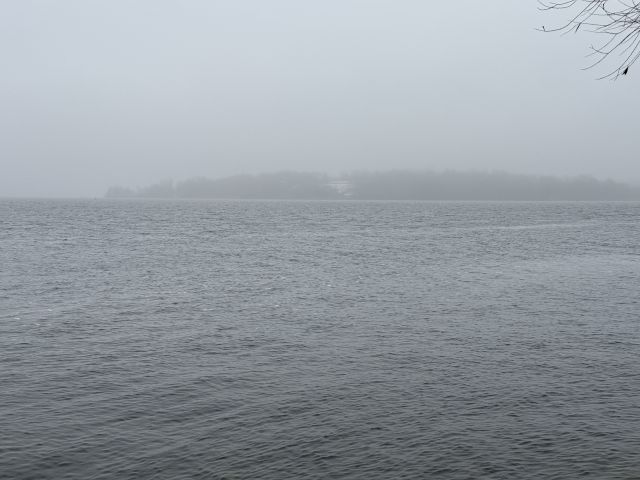
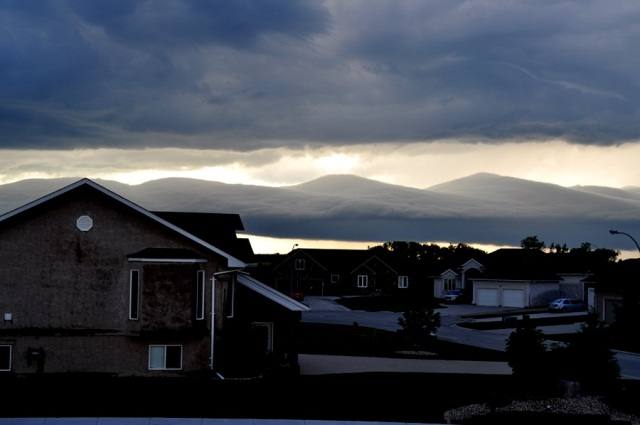 Stratus · Stratocumulus
Low grey blanket: stratus or stratocumulus?
If you can see masses, rolls or lighter and darker patches on the base, it is stratocumulus.
-
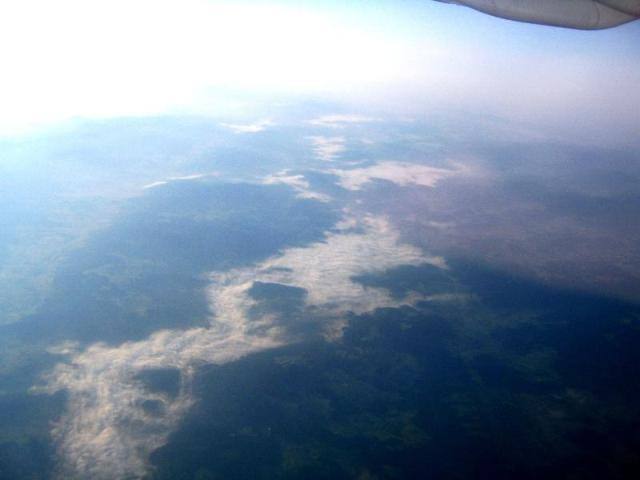
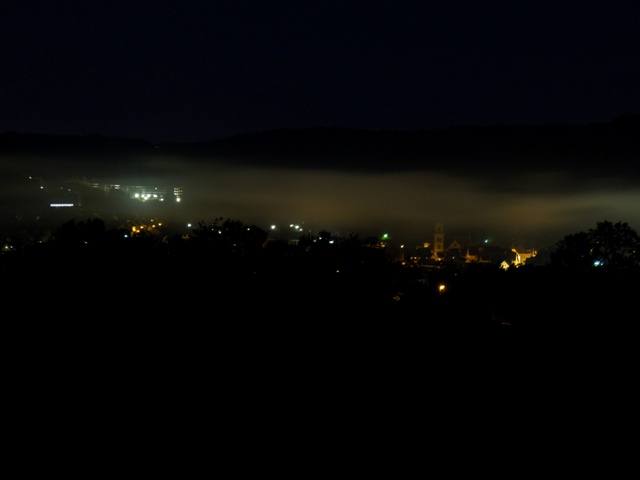 Stratus · Fog
Stratus or fog?
Fog lies on the ground, stratus floats above it. If you are standing inside the cloud, it is fog.
-
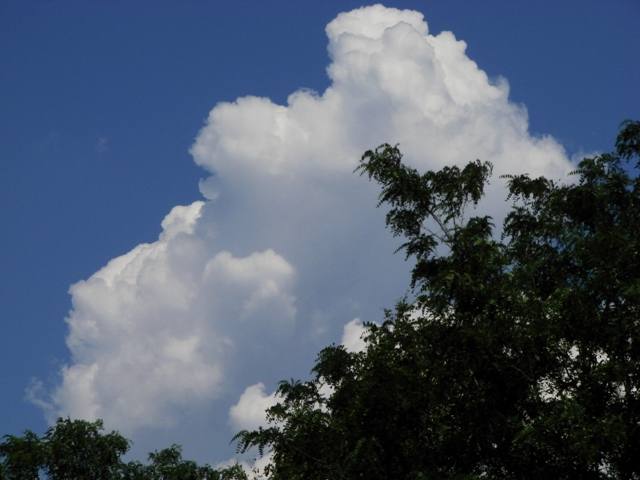
 Cumulus congestus · Cumulonimbus
Tall cloud tower: cumulus congestus or cumulonimbus?
As long as the summit is sharply outlined, it is cumulus. Once it becomes smooth, fibrous or an anvil, it is cumulonimbus.
-
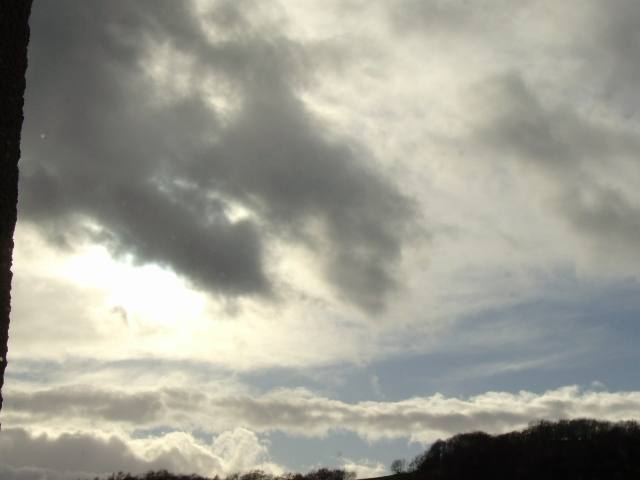
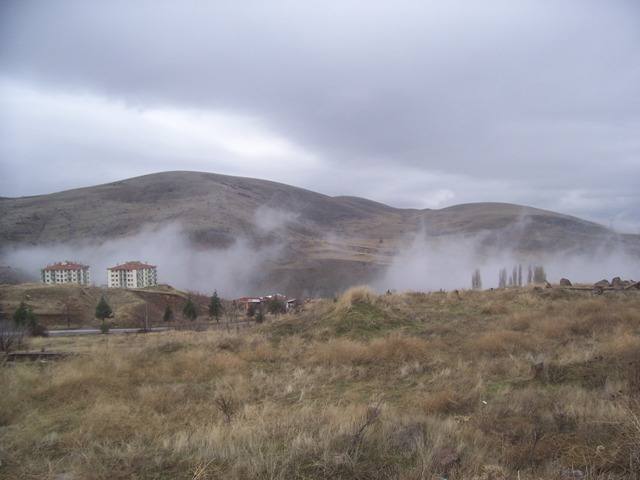
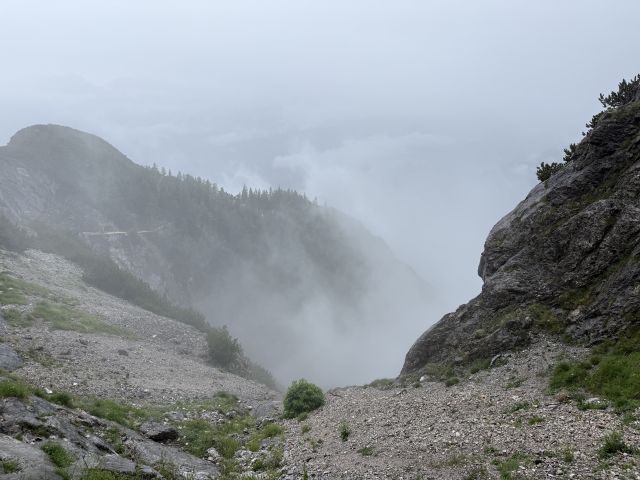 Cumulus fractus · Stratus fractus · pannus
Cloud shreds: cumulus fractus, stratus fractus or pannus?
White shreds in fair weather are usually cumulus fractus; dark shreds below a rain cloud are pannus.
-
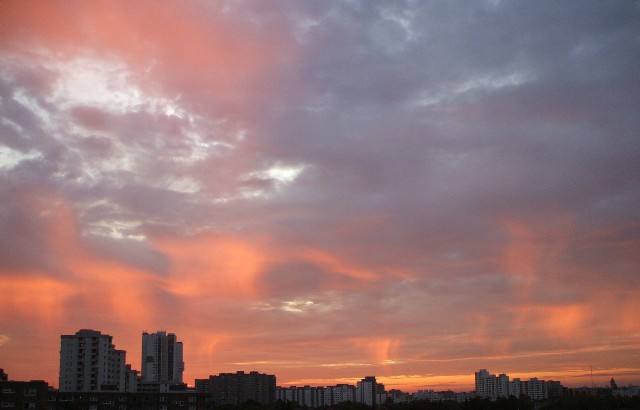
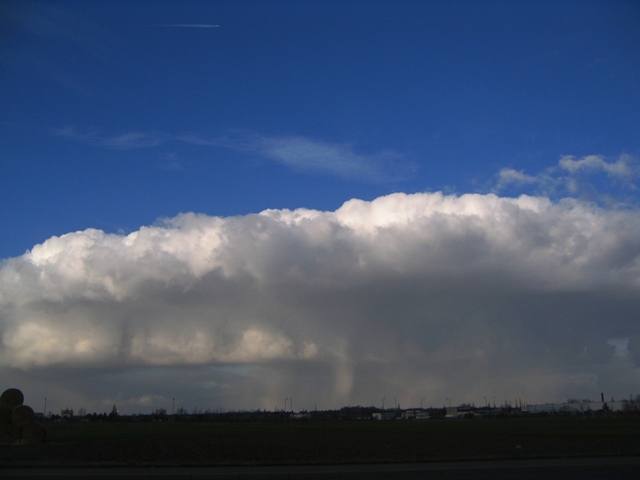 virga · praecipitatio
Fall streaks or precipitation: virga or praecipitatio?
If the streak ends in mid-air, it is virga; if it reaches the ground, praecipitatio.
-
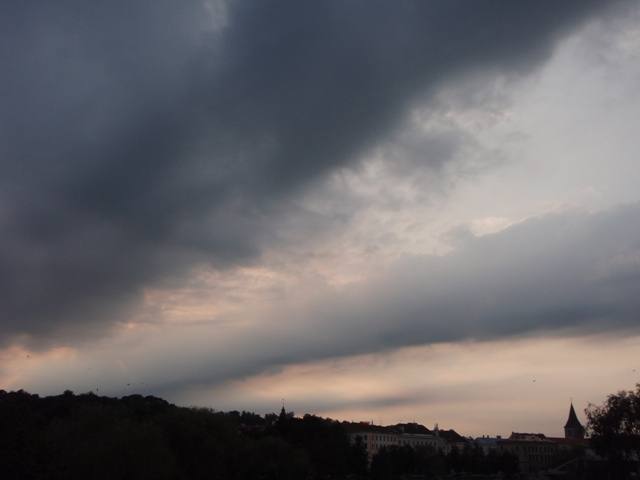

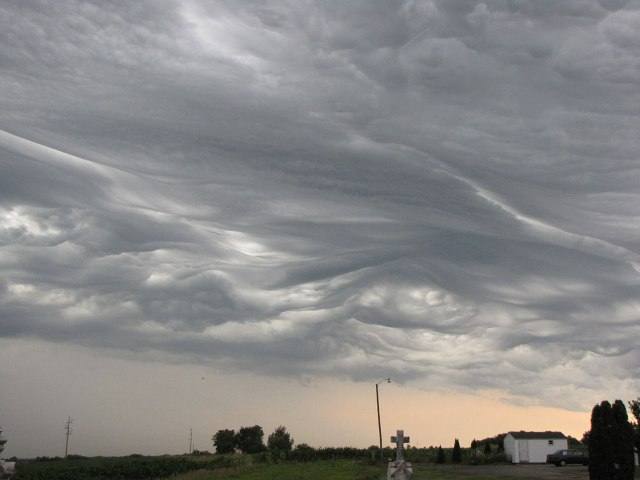 undulatus · fluctus · asperitas
Waves: undulatus, fluctus or asperitas?
Regular, parallel waves are undulatus; curling breakers are fluctus; a chaotically churned underside is asperitas.